
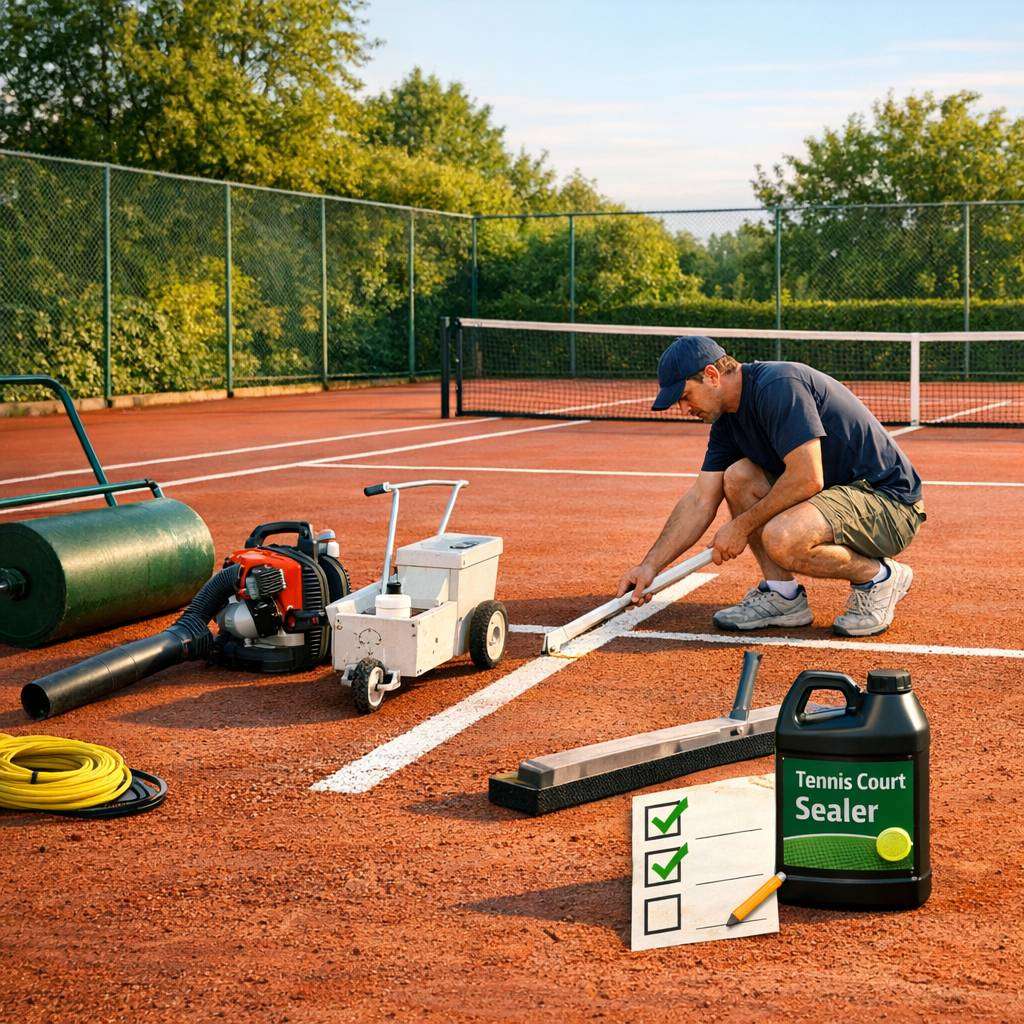
Tennis court longevity hinges on regular, proactive care. Whether you have an artificial grass tennis court, a traditional hard court, or a hybrid surface, consistent maintenance reduces wear, preserves playability, and extends the life of the surface. This guide provides an expert, educational approach to tennis court maintenance, with practical steps you can implement throughout the year. We’ll cover common tasks such as tennis court cleaning, tennis court repairs, and considerations for tennis court resurfacing, with a focus on artificial grass tennis surfaces and related maintenance needs.
Understanding the surface and its needs
A sound maintenance plan starts with understanding your surface. For artificial grass tennis courts, the pile height, infill material, and drainage are critical. Regular brushing, infill top-ups, and debris removal help retain play quality and drainage. For other surfaces, such as hard or acrylic courts, the emphasis is on cleaning, crack repair, and ensuring proper drainage to avoid standing water. Regardless of surface type, a consistent schedule protects the integrity of the court and reduces the frequency of more intensive tennis court repairs or resurfacing.
Tennis court maintenance requires regular inspections, cleaning, and surface care to extend play life and safety. Experts recommend routine turf checks, overseeding where needed, and timely debris removal. For professional guidance and materials, visit https://www.artificialgrassmaintenance.co.uk to ensure resilient, high-quality surfaces.
Daily and weekly checks
- Inspect for debris: Leaves, twigs, and foreign objects can damage lines and surface coatings. Clear them using a soft push broom or ground-cleaning tool appropriate for your surface.
- Visual surface inspection: Look for cracks, разделs, or uneven patches that could worsen with use. Early detection saves time and money on larger repairs.
- Net and surrounds: Check the net tension and posts; make sure court fencing, gates, and windbreaks are secure. Loose fencing can result in ball interference or additional damage to the playing surface.
Cleaning routines for different surfaces
- Artificial grass tennis court:
- Brush regularly along the grain to keep the fibres upright and maintain even play. This is essential for tennis grass court maintenance.
- Remove embedded debris and soil with a power sweeper or stiff-bristled brush, taking care not to fray fibres.
- Periodically top up infill material to maintain the correct level and cushioning.
- Hard and acrylic courts:
- Sweep webs and dust from the surface and remove any loose debris that could abrade the surface.
- Use only compatible cleaning agents; avoid high-pressure washers that can damage coatings. For stubborn stains, use surface-approved cleaners and a soft scrub.
- General note: Always follow the surface manufacturer’s recommendations for cleaning agents and methods to prevent voiding warranties.
- Brush regularly along the grain to keep the fibres upright and maintain even play. This is essential for tennis grass court maintenance.
- Remove embedded debris and soil with a power sweeper or stiff-bristled brush, taking care not to fray fibres.
- Periodically top up infill material to maintain the correct level and cushioning.
- Sweep webs and dust from the surface and remove any loose debris that could abrade the surface.
- Use only compatible cleaning agents; avoid high-pressure washers that can damage coatings. For stubborn stains, use surface-approved cleaners and a soft scrub.
Regular maintenance tasks by frequency
- Daily:
- Clear debris and inspect for obvious issues.
- Check line markings and repaint if necessary to maintain clear play guidance.
- Weekly:
- Brush artificial grass surfaces to preserve fibre height and evenness.
- Check nets, posts, and court surrounds for signs of wear or damage.
- Monthly:
- Inspect drainage channels and outlets; remove any blockages to prevent water pooling.
- Conduct a more thorough surface inspection for small cracks or loose infill in artificial grass courts.
- Quarterly:
- Perform a more detailed cleaning routine, including a deeper brushing and infill level check if applicable.
- Review fencing, gates, and lighting (if installed) for any electrical or safety issues.
- Annually:
- Schedule professional tennis court repairs as needed, particularly if there are persistent issues such as drainage slow-down, drainage blockages, or surface wear.
- Consider tennis court resurfacing for surfaces showing significant wear or reduced playability within the expected lifespan.
- Clear debris and inspect for obvious issues.
- Check line markings and repaint if necessary to maintain clear play guidance.
- Brush artificial grass surfaces to preserve fibre height and evenness.
- Check nets, posts, and court surrounds for signs of wear or damage.
- Inspect drainage channels and outlets; remove any blockages to prevent water pooling.
- Conduct a more thorough surface inspection for small cracks or loose infill in artificial grass courts.
- Perform a more detailed cleaning routine, including a deeper brushing and infill level check if applicable.
- Review fencing, gates, and lighting (if installed) for any electrical or safety issues.
- Schedule professional tennis court repairs as needed, particularly if there are persistent issues such as drainage slow-down, drainage blockages, or surface wear.
- Consider tennis court resurfacing for surfaces showing significant wear or reduced playability within the expected lifespan.
Tennis court repairs: diagnosing issues early
- Surface cracking or deformation:
- Small cracks in asphalt or concrete surfaces may be repaired with epoxy or crack-fill products; larger issues often require professional intervention.
- Infills and pile displacement on artificial grass:
- Unevenness or bare patches may indicate uneven infill or deterioration of the grass fibres; adjust or replace as needed in coordination with a specialist.
- Drainage problems:
- Poor drainage leads to standing water, speeding surface wear and reducing playability. Clean channels and consider installing additional drainage or regrading if required.
- Small cracks in asphalt or concrete surfaces may be repaired with epoxy or crack-fill products; larger issues often require professional intervention.
- Unevenness or bare patches may indicate uneven infill or deterioration of the grass fibres; adjust or replace as needed in coordination with a specialist.
- Poor drainage leads to standing water, speeding surface wear and reducing playability. Clean channels and consider installing additional drainage or regrading if required.
Tennis court resurfacing vs. resurfacing timing
- When to consider tennis court resurfacing:
- Surface wear is evident; rough playing surface or loss of traction is a sign that resurfacing is due.
- Cracks or large patches appear, especially across the surface.
- For artificial grass courts, if infill loss becomes substantial or fibre wear is significant, resurfacing with a fresh layer of infill and new grass may be warranted.
- Choosing a method:
- For artificial grass tennis: Select a suitable grass blend, backing, and infill system compatible with the court’s traffic and climate. Ensure regular brushing and infill maintenance to extend the life of the new surface.
- For other surfaces: Resurfacing can involve resurfacing materials, coatings, and resurfacing timelines aligned with manufacturer guidelines and court usage.
- Surface wear is evident; rough playing surface or loss of traction is a sign that resurfacing is due.
- Cracks or large patches appear, especially across the surface.
- For artificial grass courts, if infill loss becomes substantial or fibre wear is significant, resurfacing with a fresh layer of infill and new grass may be warranted.
- For artificial grass tennis: Select a suitable grass blend, backing, and infill system compatible with the court’s traffic and climate. Ensure regular brushing and infill maintenance to extend the life of the new surface.
- For other surfaces: Resurfacing can involve resurfacing materials, coatings, and resurfacing timelines aligned with manufacturer guidelines and court usage.
Tennis grass court maintenance specifics
- Brushing and grooming:
- Regular brushing keeps the grass fibres upright and ensures even bounce. It also helps distribute the infill evenly.
- Infill management:
- Monitor silica sand or rubber infill levels and top up as required; maintain uniform depth for consistent play.
- Drainage and aeration:
- Ensure sub-base drainage remains clear. Aeration can reduce compaction and promote healthy grass growth.
- Seasonal considerations:
- In colder months, remove excess moisture and debris; in warmer periods, schedule maintenance during cooler times of day to protect grass fibres.
- Regular brushing keeps the grass fibres upright and ensures even bounce. It also helps distribute the infill evenly.
- Monitor silica sand or rubber infill levels and top up as required; maintain uniform depth for consistent play.
- Ensure sub-base drainage remains clear. Aeration can reduce compaction and promote healthy grass growth.
- In colder months, remove excess moisture and debris; in warmer periods, schedule maintenance during cooler times of day to protect grass fibres.
Tennis court maintenance is essential for safety, playability, and longevity. Regular inspections, proper cleaning routines, and timely repairs prevent surface deterioration and injuries. Implement a schedule that includes debris removal, line maintenance, and PVB resurfacing as needed. For professional guidance and services, refer to the link below in the second half: https://gallobrospw.com/tennis-court-cleaning/.
Safety and warranties
- Wear personal protective equipment when handling cleaning agents or performing repairs.
- Use manufacturer-approved products and methods to avoid voiding warranties or damaging the surface.
- Document maintenance activities and keep records of repairs and resurfacing work to support warranties and future planning.
A practical maintenance checklist at a glance
- Daily: clear debris, inspect lines and nets.
- Weekly: brush artificial grass surface; check infill levels.
- Monthly: inspect drainage, assess surface for wear.
- Quarterly: deep-clean and assess for repairs; inspect fencing and lighting.
- Annually: professional assessments; plan for repairs or resurfacing as needed.
This practical approach to tennis court maintenance ensures longevity, safety, and high-quality play across artificial grass tennis court surfaces and beyond. By integrating regular tennis court cleaning, timely tennis court repairs, and thoughtful planning for tennis court resurfacing, you can extend the life of your court and preserve the enjoyment of the game.